Ahmed Zaki grew up above a tavla café in Sayeda Zeinab, in the heart of Cairo, and had the game before he had his letters. What he also had, long before he had a company, was an eye for clothes, leather and colour, and a growing suspicion that most backgammon boards looked as if nobody had made a single decision about them.
A fashion label for boards
Zaki Boards is his answer. He built the company from the ground up around one idea: classic leather boards, presented with the sharpness of a fashion label. It has become one of the fastest-growing names in backgammon. His instinct for what people want to own, photograph and put on a table has turned out to be very good indeed.
Classic Leather
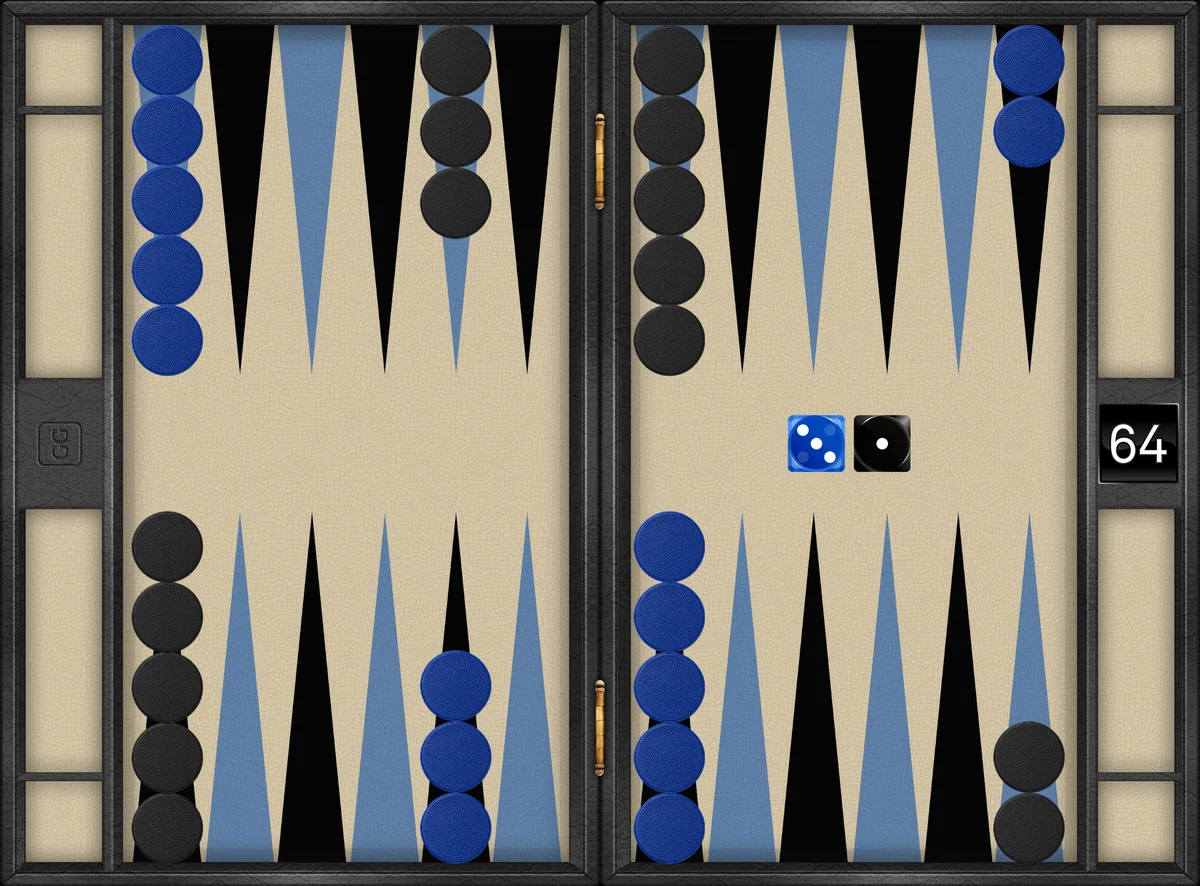
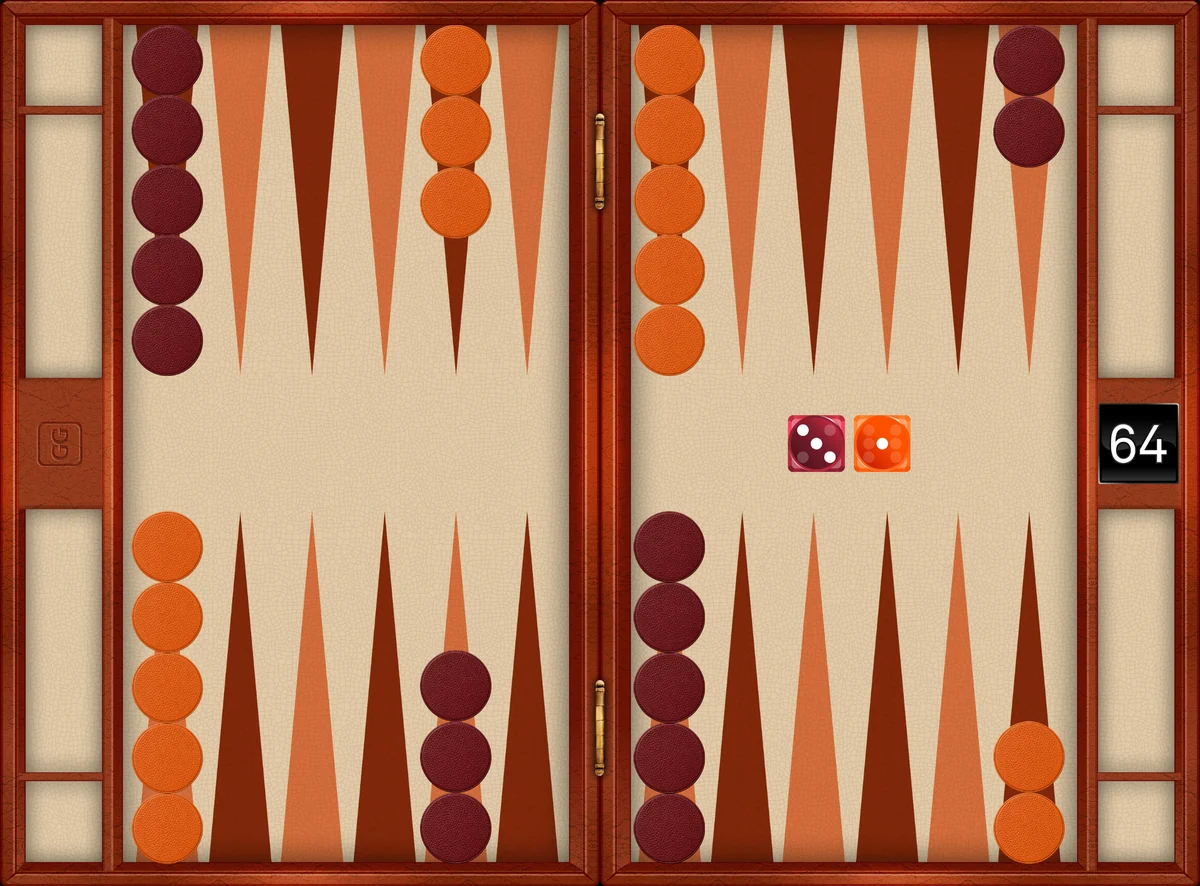
The Classic Leather line is the heart of the house. The case is leather, and so is the playing surface, finished with a fine crackle grain that makes a new board look as if it has already lived a little. The colours are where Zaki's eye shows: Charcoal and Bordeaux for the traditionalist, Imperial and Dark Blue for the formal room, Burnt Orange, Avocado and Mustard for the player who wants the board noticed before the first roll. Ten colourways, each one chosen as carefully as a jacket.
Zaki is always promoting something. Sometimes it is Zaki Boards. Just as often it is backgammon itself. A restaurant needs a board. A hotel needs three. Somebody at dinner should learn the game, ideally tonight. He sells in English because that is the language the trade buys in, and he is selling from the moment he sits down. Cafés, hotels and boutiques from Cairo outwards have found themselves with a stack of Zaki boards, and more than a few new players have found themselves with a game.
At the board
None of this has turned the game into merely a product for him. At the board Zaki is still what he was before the company existed: a serious player who learned around crowded tables rather than from a manual, strong with the checkers and rarely silent for long. He notices your move, your jacket and whether the room needs better boards. His own motto sums up the business plan: every new player needs a board eventually.